As the world becomes more aware of the pressing need for environmental protection and sustainability, the idea of a “green revolution” has become increasingly popular. In Ghana, this movement is gaining momentum, with young people playing a vital role in promoting and implementing sustainable practices.
So, what exactly is a green revolution, and how can youth in Ghana get involved?
A green revolution is a sweeping movement focused on improving the health and well-being of the planet through sustainable practices, such as reducing waste and emissions, preserving natural resources, and promoting conservation efforts. It is a holistic approach to environmental protection, encompassing everything from individual actions to large-scale policy changes.
As the future leaders of Ghana, young people have the power to shape the country’s future and drive change. Here are a few ways that you can get involved and promote the green revolution in Ghana:
Reduce, Reuse, Recycle: One of the simplest ways to promote sustainability is by reducing waste. Make a conscious effort to reduce your use of single-use plastics, and recycle whenever possible. You can also try to find creative ways to reuse items, such as turning old clothes into rags or using glass jars for storage.
Get Involved in Local Efforts: There are many organizations and initiatives working to promote sustainability in Ghana. Find one that aligns with your values and get involved! Whether it’s volunteering, participating in events, or spreading awareness, every little bit helps.
Educate Others: Knowledge is power, and one of the best ways to promote change is by educating others. Share information about the green revolution with your friends and family, and encourage them to join you in your efforts. You can also use social media to spread the word and engage with a larger community.
Advocate for Change: Finally, use your voice to advocate for change at all levels of government. Whether it’s supporting policies that promote sustainability or speaking out against practices that harm the environment, your voice can make a difference.
In conclusion, the green revolution in Ghana is an important movement that has the potential to shape the future of the country for the better. As young people, we have a unique opportunity to drive change and make a positive impact on the planet. So let’s get involved, educate ourselves, and work together to create a greener, more sustainable future!
Do you have any ideas or experiences to share on promoting the green revolution in Ghana? Share in the comments below and let’s start a conversation!
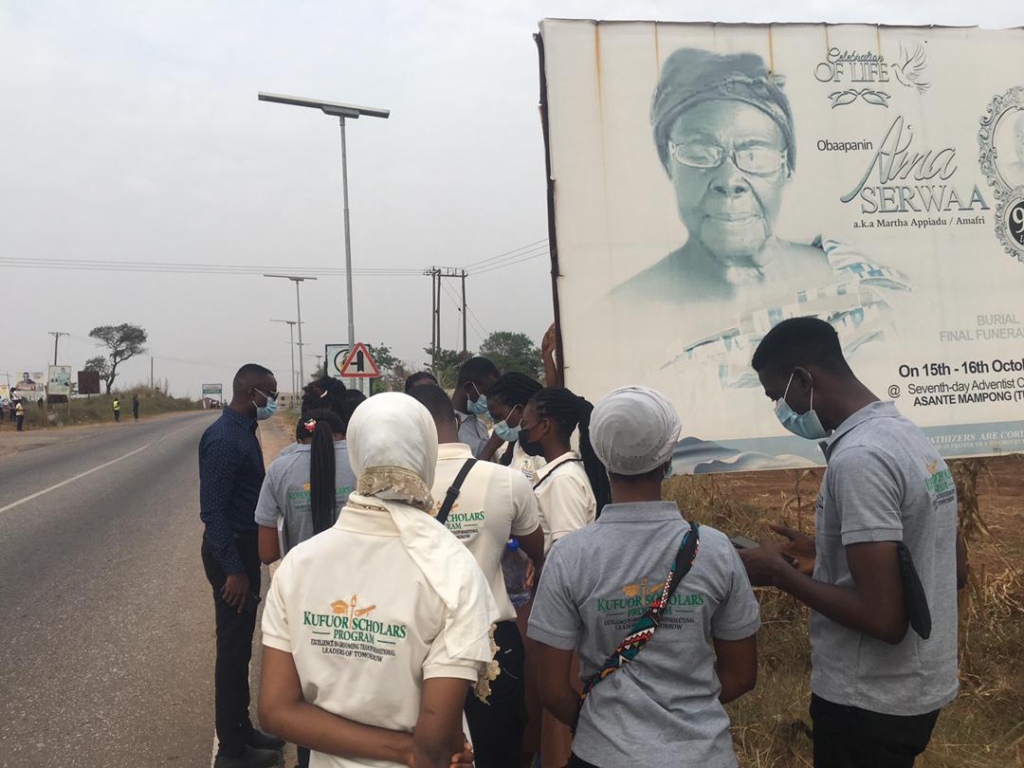
Municipal Chief Executive Officer of Mampong, Thomas Appiah Kubi has commended members of the Kufuor Scholars Programme for supporting the Assembly’s revenue drive.
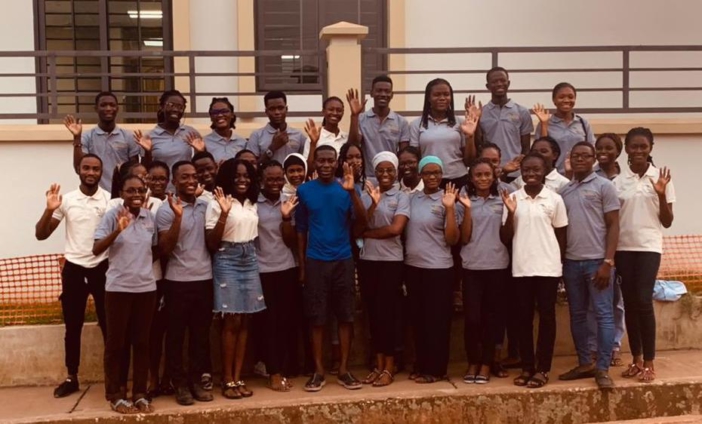
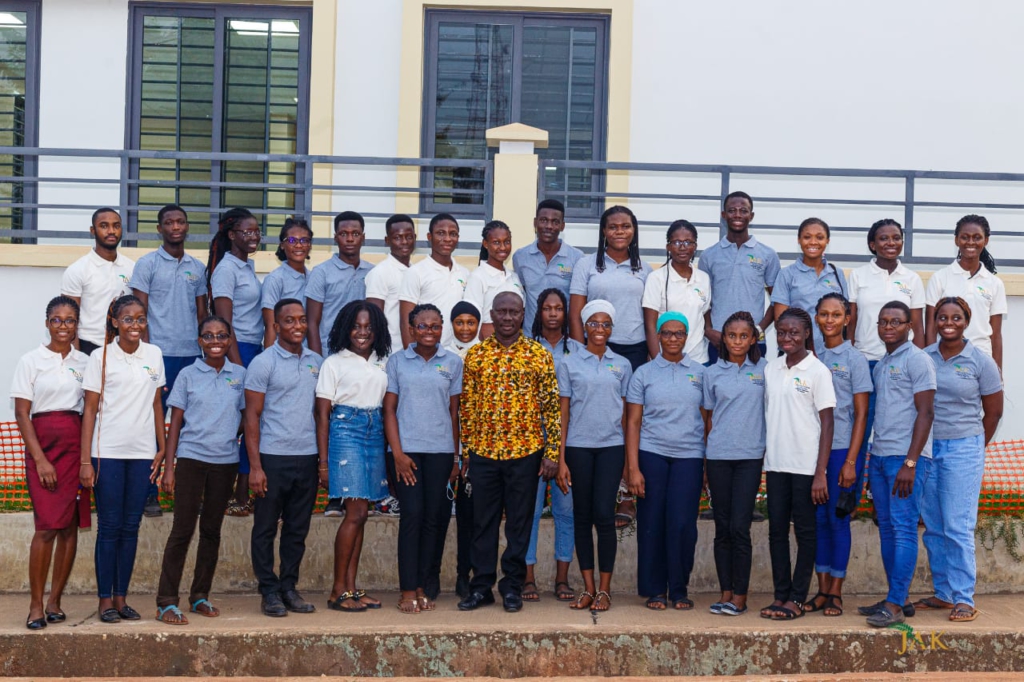
30 members of the Kufuor Scholars Class of 2021 were in the Municipality to help the Assembly gather data on erected billboards as part of the scholars’ two-week initiation leadership camp.
Municipal Coordinating Director, Dr. Francis Owusu Ansah explained that the Assembly has recorded inconsistencies in the generation of revenue as a result of the unavailability of credible data.
In view of that, the billboard identification and counting exercise would provide the Assembly with data on advertising billboards and signposts erected along the principal streets of the Mampong Municipality.
This will inform the Assembly of possible tax revenue generating spots, widen the income base of the Assembly and increase Internally Generated Funds for developmental projects.
The MCE urged the scholars to ensure the policies and programmes they roll out as leaders in future would not only improve the lives of residents in urban areas, but rural dwellers as well.
“Today, you scholars are helping us to build our billboards data. This is helping us to know what is happening on the ground. And how best we can generate income to manage the affairs of the municipality. Thank you very much,” Appiah Kubi said.
He also urged the scholars to prioritise the interest of rural dwellers when they become leaders in future.
“This foundation is building you practically to become fully-fledged leaders. One day if God should help you become a president, you would remember you went to Mampong and these are the areas that I passed and the difficulties that they are facing. Most leaders living in the city do not understand the problems in rural areas and make rules, laws and policies that don’t factor in these people,” he said.
“Ghana is not only in Accra. So you make a policy that will meet the needs and lifestyle of the people. Development should not be limited to Accra because most of the people in Ghana live in the hinterlands and villages, so bring policies that the majority of Ghanaians would also enjoy,” the MCE added.
Chief Executive Officer of the John A. Kufuor Foundation, Prof. Baffour Agyemang – Duah expressed confidence that the experience will enable scholars to appreciate life and have reasons to be responsible leaders in the future.
He said the camp was borne out of the conscious dream and efforts of the Former President John Agyekum Kufuor to let young scholars experience life outside the main cities of Kumasi and Accra.
The CEO is confident that the community training would allow the scholars to bond and be active members of their communities, as well as aspire to have a lasting positive impact on deprived societies and the country at large.
Dr. Pascal Brenya who is coordinator of the Kufuor Scholars Programme accompanied the young scholars.
I found this blog post very interesting and thought to reblog. It’s from Emmanuel Akuateh, a very good friend of mine.
One of the reasons why I like this post is because it was write with a liberal mind.
Adolescence is a critical time in an individual’s development, and it lays the foundations for their health and wellbeing in adulthood. Characterised by dynamic brain changes, during adolescence the brain’s reward system is remodeled and connectivity substantially increases between different brain networks — these processes are affected by social and nutritional environments, as well as by negative exposures such as substance use. This shapes the capabilities and behavioural patterns (including health behaviours) that an individual takes forward into adult life.
Despite this, adolescence is a long neglected age group, especially in terms of health care. Adolescents often fall through the gap between paediatric and adult health services, and have until recently been overlooked in the larger picture of global health and social policies. Health promotion in this age group also presents challenges because adolescents have reduced health-seeking practices compared to adults, and there is a paucity of research to provide insight into the needs of this age group. Compounding these challenges, as a society we are undergoing great changes, with global trends increasingly promoting unhealthy lifestyles, coupled by high rates of global unemployment, reduced family stability and mass migration. These changes especially affect this age group, making them even more vulnerable to adverse physical and mental health outcomes. Adolescents need services specialised specifically for their needs in our fast-paced changing social environment.
In response to these needs, and current shifts in determinants of health, The Lancet partnered with The University of Melbourne, University College London, the London School for Hygiene and Tropical Medicine and Columbia University in order to establish a Commission on Adolescent Health and Wellbeing.
Lancet Commission on Adolescent health and wellbeing The commission uniquely divided country health profiles for adolescents into three distinct categories of health problems, based upon the disability adjusted life years (DALYs) and deaths among 10-24 year olds, with data from the 2013 Global Burden of Disease study. All countries were either defined as multi-burden, injury excess, or non-communicable disease (NCD) predominant countries, as shown in the figure below, and specific recommendations for each profile were made to improve adolescent health and wellbeing worldwide.
Figure: Country categorisation based on adolescent burden of disease. Categorisation of countries into three groups according to adolescent burden of disease and reflecting passage through epidemiological transition. DALYs: disability-adjusted life-years. NCD: non-communicable diseases.
Figure used with permission from “Our future: a Lancet commission on adolescent health and wellbeing” 1
A fundamental finding from the commission was the substantial reduction in the disease burden from infectious diseases and sexual and reproductive health seen over the last 20 years – this was found in every country profile. A smaller, but still impressive, improvement has been made for injury and violence related disease burden in each country profile. In stark contrast however, there has been almost no change in the burden of disease for chronic physical and mental disorders in any country profile between the 1990’s and today – an eye-opening result. This reveals the urgent need to invest in research and services for adolescent mental health and preventative interventions for chronic illness, in order to make headway in improving these outcomes. In light of these findings, the commission discusses enabling factors as well as challenges faced by adolescents relating to their health risks, including demographic transitions, protective systems, family function, education, technology and legal frameworks. The highlights from the commission, specifically those relating to mental health, and recommendations for investment and research to improve outcomes will be further discussed below.
Adolescent mental health Mental health problems affect 10-20% of children and adolescents worldwide and account for a large portion of the global burden of disease2. They also commonly emerge during adolescence, with many persisting into adulthood — in fact studies in adults show that most mental disorders begin before the age of 25, and most often present for the first time between 11-18 years. Adolescence is therefore a critical window of opportunity to prevent the emergence and progression of mental disorders, which could decrease the disease burden throughout the life course.
However, major challenges exist for early intervention, including large detection and treatment gaps — i.e. the difference between the number of people needing diagnosis and treatment, and the number who are actually receiving it. This is particularly the case in low and middle income countries (LMIC), where there is little awareness about these disorders, as well as a scarcity of mental health professionals to provide much needed interventions. These barriers need to be overcome before we can significantly improve mental health outcomes. In order to narrow these gaps, a public health approach to detection and treatment is required, such as utilisation of non-specialised frontline health workers in routine health care settings and community platforms – a strategy to overcome human resource shortages in LMIC, which has gained substantial evidence for improving mental health outcomes3.
Image caption: “Teenagers at play” Alex Proimos
Family environment One of the key risk factors of adverse mental health outcomes in adolescents discussed in the commission was that of family environment and instability. Families provide the main protective and enabling setting for the health and wellbeing of children and adolescents. Despite this, there is a striking knowledge and research gap on the effect of family influences on adolescent health. Adolescents living in families with difficulties are at greater risk of suicide, depression, eating disorders, and substance abuse4. Family violence specifically has profound effects, with exposure to violence being associated with substance abuse, but also with education failure and a continuation of a negative cycle of engagement in their own abusive relationships5.
Parenting capacity, especially those around monitoring and supervising adolescent activities, are important factors in determining health risks and modifying unhealthy behaviours. In fact, better parent-adolescent communication is associated with better social functioning and fewer mental health problems6. Therefore, preventative interventions aimed at improving parent-adolescent communication may have huge advantages by enabling protective environments and improving both physical and mental health outcomes.
Education: schools and technology A key recommendation from the commission was that of investing in secondary school education. Education itself is an important determinant of health as well as a powerful influence on socioeconomic progress; the benefits are particularly true for women in high-income countries for both physical and mental health7. Unfortunately, there has been little research on the benefits of education for adolescents in LMIC.
The commission, however, made great headway in improving our understanding of the health effects of education in this demographic, finding strong associations between the average number of years in education and adolescent birth rates, maternal mortality, and injury mortality. This was demonstrated using UN sourced data on the average number of years in education for young men and women aged between 15-24 years in 187 countries, and between 1970-2015. One study of a cohort in the Philippines established that adolescents with secondary education had a lower rate of health problems by more than 50% compared to those with primary education alone, and this was specifically true for mental health, alcohol use and sexual health. These results led to one of the key recommendations of the commission — making increased investments in education would bring improvements in health, and especially marked reductions in total adolescent birth rates for girls and young women. It is also important to recognise the unique opportunity provided by schools to implement interventions to improve health outcomes in adolescents; for example the commission found strong evidence for school-based health services that improve sexual and reproductive health. There was also promising, but not yet a strong evidence base, for school-based mental health services – highlighting this as an important research area for investment.
However, whilst the health and wellbeing benefits of expanding secondary education are immense, there are many forces that operate to exclude adolescents from such education. Those individuals not accessing education may be the most marginalised and vulnerable to health problems. For example, adolescents who are without a job or not in any sort of education or training are at increased risk of mental health problems including suicide8. Therefore interventions aiming to include and empower this vulnerable group must be considered. One crucial and yet under-researched intervention is the use of media and technology, which has the potential to provide a powerful voice for adolescents to actively engage with each other and break barriers of stigma and discrimination. It also has the potential to play a positive role in prevention and promotion of access to clinical services and health education.
The role of technology was explicitly highlighted in the commission, as not only a means to promote health among adolescents, but also to build capacity between different sectors, such as health services, legal services, social services, schools and other, in order to coordinate actions and to improve health outcomes across these dimensions for adolescents worldwide.
Image caption: “increase in education = decrease in child marriage” DFID Department for International Development
Legal frameworks Whilst technology may provide a key to empowering marginalised adolescents, a significant factor addressed in the commission was the disempowerment of adolescents due to ineffective and inconsistent law and policy. This is a subject often neglected in discussions surrounding adolescent health. High, middle and low income counties all demonstrate inconsistencies in their laws relating to adolescents; for example, the age of criminal responsibility varies from 6 -14 years in US states, and this is compared to the age of majority (the age at which a person is recognised by law as an adult) which is 18-21 years. Loopholes in the law also exist, meaning that policies aiming to protect adolescents and children are not effectively upheld. For example the Child Marriage Act setting the legal age of marriage in India at 18 years is subject to many customary and religious loopholes, leading to the high rate of 47% of women in India being married before they reach 18 years of age. This has many adverse health and emotional outcomes, as girls marrying before 18 years report physical violence twice as often and sexual violence three times as often as those marrying later in life.
Legal frameworks are needed to protect adolescents, but it is not until these inconsistencies and loopholes are addressed that systems can actively provide the support and empowerment needed by this age group.
What are the take-home messages of the commission? This commission brings to the foreground the challenges as well as opportunities for improving adolescent physical and mental health. The importance of using a multi-sectoral response for improving health outcomes in this age group was explicitly highlighted and is key to moving forward in this field. Other recommendations focused on empowerment and education of this age group, and the UN Secretary-General’s Global Strategy for Women’s, Children’s and Adolescent’s, launched in September 2015, presents an opportunity for much-needed investment in this area. However, the scarcity of research into effective interventions for mental health, and the critical need to make progress to improve mental health outcomes in adolescents was a much-needed wake-up call for us all. We need to work together to improve the health of this age group, which has the potential to have lasting effects on their later life and the life of generations to come.
* Main image: DFID Department for International Development
References: 1. George C Patton, Susan M Sawyer, John S Santelli, David A Ross, Rima Afifi, Nicholas B Allen, Monika Arora, Peter Azzopardi, Wendy Baldwin, Christopher Bonell, Ritsuko Kakuma, Elissa Kennedy, Jaqueline Mahon, Terry McGovern, Ali H Mokdad, Vikram Patel, Suzanne Petroni, Nicola Reavley, Kikelomo Taiwo, Jane Waldfogel, Dakshitha Wickremarathne, Carmen Barroso, Zulfiqar Bhutta, Adesegun O Fatusi, Amitabh Mattoo, Judith Diers, Jing Fang, Jane Ferguson, Frederick Ssewamala, Russell M Viner. Our future: a Lancet commission on adolescent health and wellbeing. The Lancet, Published Online May 9, 2016. http://dx.doi.org/10.1016/ S0140-6736(16)00579-1
2. Kieling C, Baker-Henningham H, Belfer M, et al. Child and adolescent mental health worldwide: evidence for action. Lancet 2011; 378(9801): 1515-25.
3. Kakuma R, Minas H, van Ginneken N, et al. Human resources for mental health care: current situation and strategies for action. Lancet 2011; 378(9803): 1654-63.
4. Pilgrim NA, Blum RW. Adolescent mental and physical health in the English-speaking Caribbean. Revista panamericana de salud publica = Pan American journal of public health 2012; 32(1): 62-9.
5. Volpe JS. Effects of domestic violence on children and adolescents: an overview. 1996.http://www.aaets.org/article8.htm (accessed May 30, 2016).
6. McPherson KE, Kerr S, McGee E, et al. The association between social capital and mental health and behavioural problems in children and adolescents: an integrative systematic review. BMC psychology 2014; 2(1): 7.
7. Miyamoto K, Chevalier A. Education and health. In: OECD, ed. Improving health and social cohesion through education. Paris: Organisation for Economic Co-operation and Development, 2010: 111–79.
8. Benjet C, Hernández-Montoya D, Borges G, Méndez E, Medina-Mora ME, Aguilar-Gaxiola S. Youth who neither study nor work: mental health, education and employment. Salud Publica Mex 2012; 54: 410–17.
By Cassandra Jessee, Director and Senior Advisor, International Center for Research on Women (ICRW)
As the COVID-19 vaccine slowly makes its way across the world and we begin seeing a little light on the horizon, we need to think carefully about how we are going to emerge from these challenging times. This global event has slowed the world down, making it impossible for us to ignore the fractures and chasms in our systems, especially when it comes to the 1.2 billion youth in the world that have lost ground in their development.
We will be going through a global reset and we should use this opportunity to engage youth as partners in rebuilding. It is time to not just hear their voices about the challenges they are facing, but also create an enabling environment for their leadership and contribution.
Unfortunately, we know that, in many low- and middle-income countries, youth are not as engaged as we would hope. The efforts to involve youth often result in tokenism. Youth are brought in after the fact to give a ceremonial blessing of a plan that was decided upon without them.
We heard words to this effect repeatedly from approximately 10,000 youth between 2015-2020. During this period, USAID’s YouthPower Learning and YouthPower2: Learning and Evaluation conducted 17 country and regional assessments, identifying opportunities to advance youth development so that youth can effectively contribute to development objectives. We found that, while it was something youth wanted, they seldom had a true opportunity to meaningfully engage. As an Ethiopian youth participant in a focus group discussion put it, “We are usually called by the government official to listen to what they have already decided, and [they] simply consider our participation a decoration.”
What Did the Youth Say?
The assessments found youth felt there was a good deal of lip service about engaging youth and addressing their needs, but little action. Young people in every country expressed frustration that their voices were not heard by adults and society writ large. They also acknowledged they had few opportunities to develop leadership skills and be in leadership roles.
Across the board, the youth assessments found national policies to be well-written or well-intentioned, but not effectively implemented in practice. Consistently, there was a distrust for the government’s youth engagement efforts. One participant in Somalia said, “Al-Shabab recruiters may be the only people who approach and ‘value’ youth.”
The specific discontentment varied depending on the country context. Youth in countries afflicted by high crime rates or gangs, such as Honduras and the Dominican Republic, were greatly concerned about their own personal safety. While youth in conflict or post-conflict environments, such as Somalia, Mauritania, and Liberia, tended to have strong opinions about their government’s peace and security efforts, focusing on violent extremism and societal instability. One youth in Liberia said, “Our leaders here do nothing for us, we protect our own community.”
This general mistrust carried over to civic engagement as well. They expressed disillusionment with the government. They felt exploited by politicians or ignored by what they deemed to be corrupt, ill-performing governments, leading them to feel excluded from politics and decision-making. In Honduras, the youth felt shut out of political participation and decision-making spaces because of the political polarization and the corruption of local institutions.
Another source of stress that came through across contexts was the gender disparities when it came to safety. Young men acknowledged the challenges young women faced and, in many cases, wanted to be part of changing that reality. A young man in Mauritania contributed about a rape survivor, “Her family won’t support her … They will consider that she has lost her honor, which complicates things. Society, friends, family—instead of supporting the victim, they make her suffer psychologically. They consider the girl to be the guilty one.”
We heard many youth talks about how living in the reality of threats to their safety leads to an overwhelming feeling of despair. One young Ethiopian woman said, “Suicide is one way to escape the abuses and restrictions we face and the hopelessness we regularly feel.”
How Do We Reset?
While it is difficult to hear we are not helping youth to the degree we would like, it is also important to remember that youth are resilient, resourceful, and full of promise. In almost every discussion during the assessments, they shared the opportunities where they believed things could improve.
Youth in Somalia, Mauritania, the Democratic Republic of Congo, Liberia, and Ethiopia expressed a strong desire to engage in their society (e.g., awareness-raising for social and justice issues, political decision making) and to strengthen the foundation for peaceful transformation. They are trying hard to be active, positive contributors to social, economic, and political life, so we must ensure our programming opens doors allowing them to participate.
Youth in the Dominican Republic were very motivated to participate in movements promoting human rights, social activism, and racial and ethnic equality. They were also interested in environmental activism and were often inspired by what they read on social media about global movements for climate change, reduction of pollution, and water conservation. We must ensure our programming allows them opportunities to lead in these global movements.
Throughout the discussion groups, youth noted opportunities in the creation of safe spaces, (e.g., mosques, churches, and other faith-based places; schools, specifically created youth centers) and outlets for self-expression (e.g., sports groups, art hubs). We must create spaces that enable emotional growth and confidence building, foster communication skills, and teach conflict resolution.
There is also an opportunity to more strategically engage youth and strengthen capacity in the design and delivery of services, policies, and programs in countries where there are a growing and connected networks of youth associations, youth-led NGOs, and young leaders, like Guinea, Madagascar, and the Dominican Republic.
The assessments highlighted the importance of building trust between young people, public institutions, and other community stakeholders. Multi-stakeholder engagement that brings in governments, the private sector, and youth-led networks is key in promoting youth development that effectively addresses the concerns and priorities of young people, creating an environment where they can thrive.
Overall, the assessments highlighted not only the frustrations youth had, but also bright spots, priorities, and opportunities for youth. Each assessment presented recommendations aimed to shape USAID’s and other stakeholders’ strategies and programs. Based on the assessment findings, missions in the Democratic Republic of Congo, Ethiopia, Liberia, and Mauritania have launched new or updated existing activities to more holistically address the enabling environment and issues that impact youth’s ability to positively contribute to their own development.
These changes are a start, but, as we reset post-COVID-19, we now have the opportunity to make this change at a global level. Let’s give youth the room to contribute, lead, and light the way forward.
Have you ever felt worthless because you got a bad grade?Do you think you don’t measure up to academic standards? Don’t worry if your answers to the above are “Yeses”. Through out basic and high school, I have realized that students who give the wrong answers to questions are normally laughed at by other students and teachers. It’s sad how society frowns on students who do not get the required grades. Should this be the way we can make positive impact?
I love what Albert Einstein Said…he once said “everybody is a genius, but if you judge a fish by its ability to climb a tree, it will live its whole life believing its stupid/worthless. Our modern day school has helped a lot of students in so many ways…particularly those who are good with memorizing. But on a larger scale, our current educational system not only make fishes climb trees, but also makes them climb down. Millions of students are being turned in to robots; their creative abilities are being slayed by standardized testing and other procedures that do not help maximize who they are are or what they can do. A lot of students think they are useless just because their abilities and awesome talents do not conform to the requisites of our educational system. Some even commit suicide. Our educational system is killing the creative abilities of millions of students. Most of the successful people today are not valedictorians or the “best students”. This gives us a better understanding that intelligence goes beyond memorizing concepts and theories. Solving major global problems is what makes one truly intelligent. Thousands of students are taking steps to solve problems and that’s inspiring. A lot of schools have made their curriculum flexible and that’s awesome too. But it’s not enough…we need to encourage students around the world, so they know that they are special in their own way. We need to strive to get good grades…but what’s more important is to solve problems with what we get A’s and B’s for; otherwise, the essence of the getting those grades wouldn’t matter. To all the students out there; you are special and irrespective of the grades you get, you can still make a difference in a great way. Strive to always be a better version of yourself each.
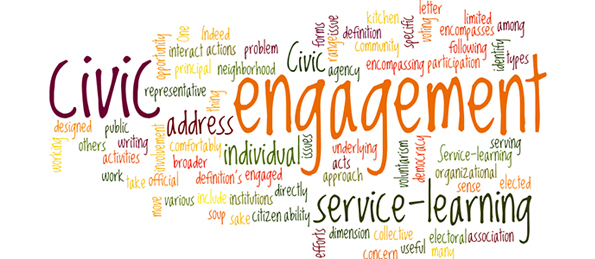
There is often confusion between ‘civic engagement’ and ‘political engagement.’ While civic engagement is a broad term that implies being an active citizen in any way in service to the community, political engagement is a more narrow term that refers to direct participation in formal city governance and administration.
Although thinking about political engagement can be intimidating at first, anyone can have civic engagement within their communities on any level, no matter how small. Engaging in civic activities can be your first step in being politically involved and making a difference.
What is Civic Engagement?
There are many types of civic engagement, some examples include:
participating in the community and volunteer organizations
participating in elections by volunteering or voting
writing letter to political representatives
campaigning on various issues through social media
membership in associations and groups
rallying and protesting
signing petitions
engagement with local government politics
sitting on city councils, regional boards, Advisory Committees, Task Forces, boards
making presentations to the council
The Importance of Civic Engagement in Youth
Definition of Civic Engagement in Youth
Here, “youth” is defined as anyone between the ages of 13 and 25.
Declining Youth Voter Turnout
A publication by the Parliament of Canada has noted that Canada’s youth voter turnout is well below all other demographic groups. To further the issue, the conventional wisdom that non-voters become voters as they get older may no longer hold true, according to a number of studies. With declining youth participation in civic engagement, the average age of people actively involved in local government will be on the rise.
By exposing youth to civic engagement earlier on, they will be familiarized with their local government – thereby increasing likeliness for youth to participate on more levels with their local government over time.
Aging & Retiring Workforce in Local Governments
According to the Federation of Canadian Municipalities, some municipalities expect 30-50% of their municipal workforce to retire within the next 10 years, most of which are likely senior experts. If employees within the local government sector are not replaced at the same rate as they retire, local governments may experience recruitment and retention issues for new staff. Therefore, it is important for current local leaders to engage with their youth to encourage higher civic engagement and ultimately, increasing interest in pursuing a career within local government.
Challenges
Some challenges local governments face in increasing youth engagement are:
formal structure in civic and political processes deter youth from participating;
youth feeling disconnected due to lack of knowledge about political and civic processes;
youth do not believe their engagement would make a difference;
youth do not know how to get involved and where to start; and
negative stereotyping against youth who are civically engaged.
Despite the difficulties listed above, there are ways to combat these issues and your local government can get involved now.
There is an indication that Ghana may not achieve the 90-90-90 HIV and AIDS target by 2021, with one and half years to go, as it has not made any significant impact in people’s status, ART treatment and viral suppression.
Statistics from the GAC show that as at now, Ghana achieved 55.3 percent in the first 90, 61.2 percent in the second 90 and 64.3 percent in the third 90, with key challenges such as stigma, discrimination, abandoning of treatment for prayer camps and false claims of cure.
The 90-90-90 is a goal introduced by the United Nations Programme on HIV and AIDS in 2013 and the target is to achieve 90 per cent of people who are HIV infected and diagnose to know their status, 90 per cent of those diagnosed will be on anti-retroviral (ART) treatment and 90 percent of those on the ART will be virally suppressed.
This strategy is an attempt to get the HIV epidemic under control and is based on the principal universal “test and treat” approach which ensures that once diagnosed early and treatment initiated, viral load is suppressed and therefore onward transmission of HIV will be prevented and so will impact on the prevalence.
This came to light at an orientation programme for Regional Committees (RCs) of the GAC in the Volta, Greater Accra and Eastern Regions to sensitise them on their roles and the need for the Regional Ministers who were chairpersons of the RCs to strengthen their oversight roles on HIV and AIDS activities in their respective regions.
Dr Fred Nana Poku, Director Technical Services, GAC in a presentation said Ghana was “staying” in HIV response due to several factors including; setting global indicators, meaning that Ghana was not doing too well in all its interventions and activities geared towards the 90-90-90 goal.
He said issues of stigma and discrimination were huge barriers preventing people infected from accessing the ART treatment, abandoning treatment and declared as a lost to follow-ups and the increase in new infections in the last sentinel survey, especially in the youth remained a challenge in meeting the target by 2021.
Dr Poku, noted that there were 20 districts in the country including; Lower Manya, Upper-Manya, Atiwa West, Yilo Krobo and Asuogyaman all in the Eastern Region and others in the Bono, Ahafo and Greater Accra regions which had prevalence way and above the 1.69 per cent 2018 national prevalence. However, the Technical Director said despite the fear that Ghana might not meet the target by 2021, “the hope is that we know the barriers and we have the roadmap as a country to meet the target in the years ahead, maybe beyond the 2021”.
Dr Poku disclosed that as part of the roadmap, GAC is considering introducing self-testing kits of HIV in Ghana by the end of 2019 and plans advanced to set up the viral load testing machines at all facilities to improve access and remove the delays in getting prompt results.
He said there were regional challenges looking at the districts with the high prevalence above the national one and therefore urged the Regional Ministers (RMs) who were the chairpersons of the RCs to take a critical look at the specific problems pertaining to their respective regions and address them accordingly.
Mr Kyeremah Atuahene, Acting Director-General of the GAC, called on the RMs to demand reports from the district committees and Non-Governmental Organizations (NGOs) to ensure they were working to meet targets.
He said most of the activities on HIV and AIDS went down, due to dwindling global funds and therefore called for the need for a national fund to embark on the activities earmarked to ensure that the 90-90-90- global goal was met.
Group Photo of some Youth leaders at the ECOWAS Youth forum on Population and development (Photo: Kobby Blay)
Director General of the West Africa Health Organization (WAHO), Professor Stanley Okolo, has advised all governments and relevant stakeholders to prioritize the youth in development policy making since they contribute to the largest population in the ECOWAS region.
Prof Okolo, iterated the need for the voices of the youth be heard in a bid to achieve the Sustainable Development Goals and Universal Health Coverage (UHC) so that no one is left behind.
Some Youth leaders from the Gambia during the opening of the first ECOWAS Youth Leaders Forum in Banjul (Photo: Kobby Blay)
“It is estimated that more than 50% of the population of our Region are young people under 35 years. This therefore suggests that issues concerning young people must be given priority in all development policies. Our young people are the future of our nations!”, Prof Stanley Okolo highlighted
His statement was made on his behalf at the opening of the first ever gathering of West Africa Youth Leaders on Population and Development in Banjul, the Gambia.
Drawn from the ECOWAS region, the two day sub regional event brought together youth leaders, youth-led and youth-focus movements, networks and organisations across West Africa who are involved in implementing projects or initiatives at grassroots level that advances the ICPD agenda.
Prof Okolo expressed delight about the realization of the event which had been possible in collaboration with the African Youth Commission (AYC) and other partners.
“This day will forever be remembered in the annals of our region, for being the First ECOWAS Young Leaders Forum on population and Development” his statement acknowledged.
Reproductive Health Problems among the Youth in West Africa
Sexual and reproductive health problems affecting adolescents and young people in ECOWAS Member States according the Prof Stanley Okolo include early or child marriage with its attendant health issues, social and legal ramifications; early and unwanted pregnancies, clandestine abortions with their resulting complications contributing to 13% of the maternal mortality rate among adolescent girls.
“The high prevalence of sexually transmitted infections, including HIV infection, which remains the leading cause of death among adolescents and young people in the region, low access to and use of contraceptives and sexual and reproductive health services, female genital mutilation/cutting (FGM/C) among girls and adolescents.” he added
Official Opening of the Youth Leaders Forum
Opening the ceremony, the minister of Youth and Sports of the Gambia, Hadrammeh Sidibeh, disclosed that the energy and contributions of the youth to the realization of the various national, sub regional, continental and global development agendas continue to inspire his ministry greatly to answer to the calls whenever the country’s support for such events.
“The youth should not be perceived as trouble makers but rather as solution providers to our problems.
He highlighted on the gains made since the 1994 ICPD and called for renewed, collaborative efforts since the region still had a long way to go.
Time to show results
Chairman of the Gambia National Youth Council, Mr Dembo Kambi, called on the youth leaders to revolutionize approach towards development so rewrite the narratives of not just countries in ECOWAS but the continent’s.
Chairman of the Gambia National Youth Council, Mr Dembo Kambi (Photo: Kobby Blay)
“We the young people of Africa cannot continue asking questions, we’ve asked questions for so long, it’s time to give answers. To revolutionize our approach towards finding solutions to issues such as sexual and reproductive health rights affecting the youth of the region or risk seeing the status quo will remain the same”, Mr Dembo Kambi intoned.
The Youth leaders forum is under the theme, ‘’ICPD25, The Contributions of West African Youth to Accelerating the Promise’’. It is co-organised by the AYC Secretariat and The Gambia National Youth Council under the auspices of the Ministry of Youth and Sports in partnership with ECOWAS West African Health Organization (WAHO), UNFPA The Gambia and AfriYAN Gambia.
The outcome and key recommendations from the Forum will feed into the Nairobi Summit on ICPD25.
ICPD25; The Road To Nairobi
In November 2019, the world will be watching Nairobi as the Government of Kenya, the Government of Denmark and UNFPA and partners convenes for the Nairobi High-Level Summit to advance the implementation of the ICPD Programme of Action.
This Global high-level conference is scheduled to take place from 12-14 November 2019. It is jointly convened by the Government of Kenya, the Government of Denmark and UNFPA, and aimed to advance the implementation of the ICPD Programme of Action.
The conference will offer an inclusive platform, bringing together governments, UN agencies, civil society, private sector organizations, women’s groups and youth networks to discuss and agree on actions to accelerate the implementation of the ICPD Programme of Action
For as long as I can remember, I’ve had headaches. They got really bad and painful when I was eleven/twelve. Since then, they’ve been a frequent visitor to my little body. (I have one right now, which is what made me think of writing this post, lol.) Here are nine tips that I’ve learned for […]
This blog post was written and posted by me on the INSPYA page long before I started the ‘pressure impact blog news’…. Please, Enjoy!
“The hallmark for good leadership is a selfless attitude and a sense of inclusiveness” – H.E. Formal President John A. Kufuor.
Hi,
I am Nathaniel Aidoo and I am the Team Leader for the INSPYA Equip to Succeed Mentoring Programme and also a mentor.
I believe that the quality of life lived by a person is an exact measure of the impact one has been able to make on lives and the society; likewise, the extent to which one can become successful in life is a direct measure of the quality of thoughts that runs through the person’s mind. The kind of thoughts possessed by a person now is a guide map to knowing who that person will become in the next five years.
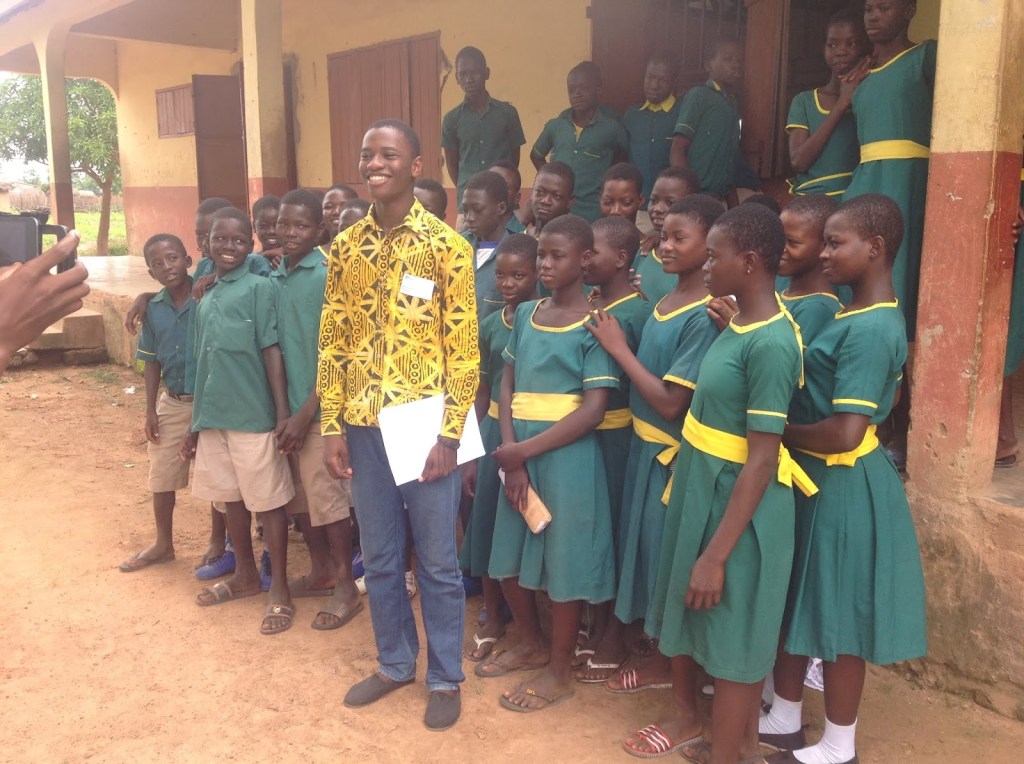
As a mentor, one of the mentees I was assigned to Maxwell, a 15year old boy who lives in one of the orphanage homes INSPYA works with, a place about a mile from where I live. Maxwell aspires to become a well-recognised Veterinary Doctor in his community within the next 12 years. He believes that as he grows into adulthood, he will be caught up with life pressures and therefore has to enjoy his teenage years. Maxwell is a “car freak” and can tell you about the latest Toyota or Honda model or which Mercedes Benz makes the fastest. What I found striking about Maxwell is that although he was not the oldest child in the orphanage, he was perceived by the other children as a leader and was considered the responsible one. This did not make him arrogant, but he was always ever willing to be corrected and to learn, having it in mind that he wants to become the best that he can.
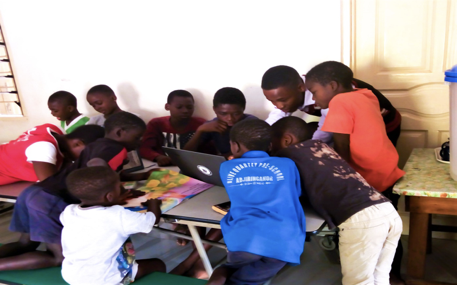
Nathaniel teaching his mentees IT during a mentoring session
As Maxwell’s mentor, I aimed to inculcate in him a winning attitude, equip him to achieve his life’s goals, and awaken his leadership spirit. My mentoring sessions with Maxwell were divided into two main parts; the first was on capacity building which entails setting SMART goals, studying the unique habits of great world leaders, communication and brain developing exercises. The second part was on education and involved academic assistance, assistance with veterinary studies and IT skills development. Week after week, as I continued to spend nothing less than 3 hours with Maxwell, the other children from the home joined in and became part of our mentoring session. I wasn’t just Maxwell’s mentor; but a mentor to the entire home, as the children took an interest in the activities I was undertaking with Maxwell.
What motivates me as a mentor is the personal initiatives and the obvious positive change I see in my mentees. Just after a couple of mentoring sessions, Maxwell, the car freak I once knew was now a purpose-driven individual. He has started taking veterinary vocational lessons as an apprentice, with my advice and the support of his caretakers and the other mentees he has also started a small-scale business where he rears and sells rabbits and guinea pigs.
All my mentees are doing very well and I know for a fact that the other mentors in INSPYA’s Equip to Succeed Mentoring Project are also having an impact on the lives of their mentees.
As the Team Leader for the Equip to succeed Mentoring Project, my duties don’t only revolve around mentoring; but it sure is the best part of what I do as a Team Leader. Today, I’m equipping just some kids in a home to succeed, but tomorrow, I will Equip the nations to succeed.
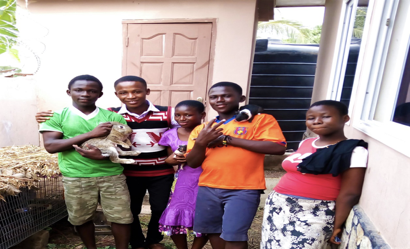
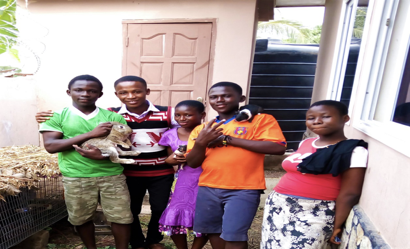
Maxwell (1st from the left), Nathaniel (2nd from the left) and other mentees.






 Empire Gate Amplified Impact Stories, Public Health Blog